

A Practical & Engineering-Grade Guide for Accurate Machining
Clamping is the engineered interface between a workpiece and a machine tool—yet it remains one of the most underestimated factors affecting accuracy, tool life, and operator safety. Even the most advanced CNC milling machine cannot deliver precision if the workpiece is not held rigidly and correctly.
This guide explains CNC clamping fundamentals in a structured way—starting from beginner concepts and progressing into professional engineering practices—while addressing real conditions found in Indian job shops, tool rooms, and production environments.
What Is Clamping in CNC Machining? (Beginner Explanation)
Clamping consists of two distinct but inseparable actions:
-
Positioning – Locating the workpiece accurately and repeatably
-
Clamping – Applying force so the workpiece cannot move during cutting
A common misconception is that “tight clamping solves everything.”
In reality:
-
A correctly positioned part with weak clamping will move
-
An over-clamped but poorly positioned part will bend or distort
Why Clamping Matters
Proper clamping:
-
Maintains dimensional accuracy
-
Prevents vibration and chatter
-
Improves surface finish
-
Protects tools, fixtures, and machine tables
Poor clamping silently increases scrap, rework, and maintenance costs.
How Cutting Forces Act on the Workpiece
During milling, cutting forces act in three directions simultaneously:
-
Tangential force – Main cutting force (largest component)
-
Radial force – Pushes the tool and workpiece sideways
-
Axial force – Tries to lift the workpiece off the table
If clamping does not oppose these forces effectively, even small movements (0.05–0.1 mm) can push parts out of tolerance.
Why Long Parts Are Risky
Workpiece deflection increases with the cube of unsupported length.
Doubling the free length can increase deflection 8×, even with the same clamp force.
CNC Clamping Fundamentals (Beginner Level)
Two Rules Every Machinist Must Remember
-
The workpiece must not lift or slide, even slightly
-
Clamps must be placed close to the cutting zone
What Good Clamping Looks Like
-
Clean, flat contact surfaces
-
Workpiece seated on rigid supports or parallels
-
Clamps applying force downward, not sideways
-
Step blocks slightly higher than the workpiece
Over-tightening clamps can bend thin parts, damage T-slots, and introduce internal stress.
Common Clamping Mistakes in Indian Job Shops
1. Clamps Too Far from the Workpiece
Long clamp distances create leverage, reducing effective holding force—even when bolts are tight.
Fix:
Keep clamps within 30–50 mm of the workpiece edge.
2. Incorrect Step Block Height
If step blocks are lower than the workpiece, the clamp pushes sideways instead of downward.
Fix:
Step blocks should be 3–6 mm higher than the workpiece surface.
3. T-Slot Damage from Bolt Overhang
Excessive bolt overhang concentrates moment force at the T-slot floor, cracking the table over time.
Fix:
Use T-slot nuts, minimize overhang, and avoid over-torquing.
4. Same Clamp Pressure for Roughing & Finishing
Roughing needs firm clamping; finishing needs reduced force to avoid distortion.
Fix:
Reduce clamp force by 20–30% during finishing.
5. Dirty Contact Surfaces
Chips, dust, or rust under the workpiece compress during cutting, causing movement.
Fix:
Clean the table and parallels before every setup. This alone prevents many “mystery” accuracy issues.
Engineering View: Tensile vs Shear Loads in Clamping
Tensile Load
The bolt is stretched along its length due to tightening.
Shear Load
Cutting forces try to slide the workpiece sideways, loading the bolt laterally.
In real setups, clamping bolts experience combined tensile + shear stress.
Undersized or low-grade bolts stretch permanently, losing preload and causing movement.
Choosing the Right Fastener Grade for Milling
| Grade | Typical Use |
|---|---|
| 8.8 | Standard job shop milling (recommended for ~80% of setups) |
| 10.9 | Heavy roughing, large workpieces |
| 12.9 | High-load production, precision fixtures |
Using higher grades than required increases cost without proportional benefit.
How Much Clamping Force Is Enough?
A practical rule:
Clamping force ≥ Cutting force × Safety factor
Typical safety factors:
-
1.5 – Finishing, light cuts
-
2.0 – Normal roughing
-
2.5–3.0 – Heavy roughing, high speeds
Excessive force bends thin parts; insufficient force causes movement. Balance matters.
Good vs Bad Clamping: Real-World Example
Bad Practice
-
Clamp 150 mm away from workpiece
-
Result: rocking, chatter, tool wear, poor finish
Good Practice
-
Clamp within 35 mm
-
Result: 70%+ reduction in moment force, stable machining, better surface finish
Small positional changes often deliver bigger gains than tighter bolts.
Best Practices for Indian Shops
-
Standardise clamp kits by workpiece size
-
Use torque wrenches for repeatability
-
Maintain T-slots monthly
-
Photograph setups for batch repeatability
-
Train operators on why, not just how, clamping works
A ₹2,000 torque wrench often saves ₹20,000 in scrap.
Final Takeaway
Clamping is not a supporting activity—it is core machining engineering.
A rigidly clamped workpiece can deliver accurate results even on older machines.
A poorly clamped job will fail on the best CNC.
Treat clamping as a system—geometry, force, hardware, and discipline—and machining problems reduce dramatically.
Need Help Selecting the Right Clamping Hardware?
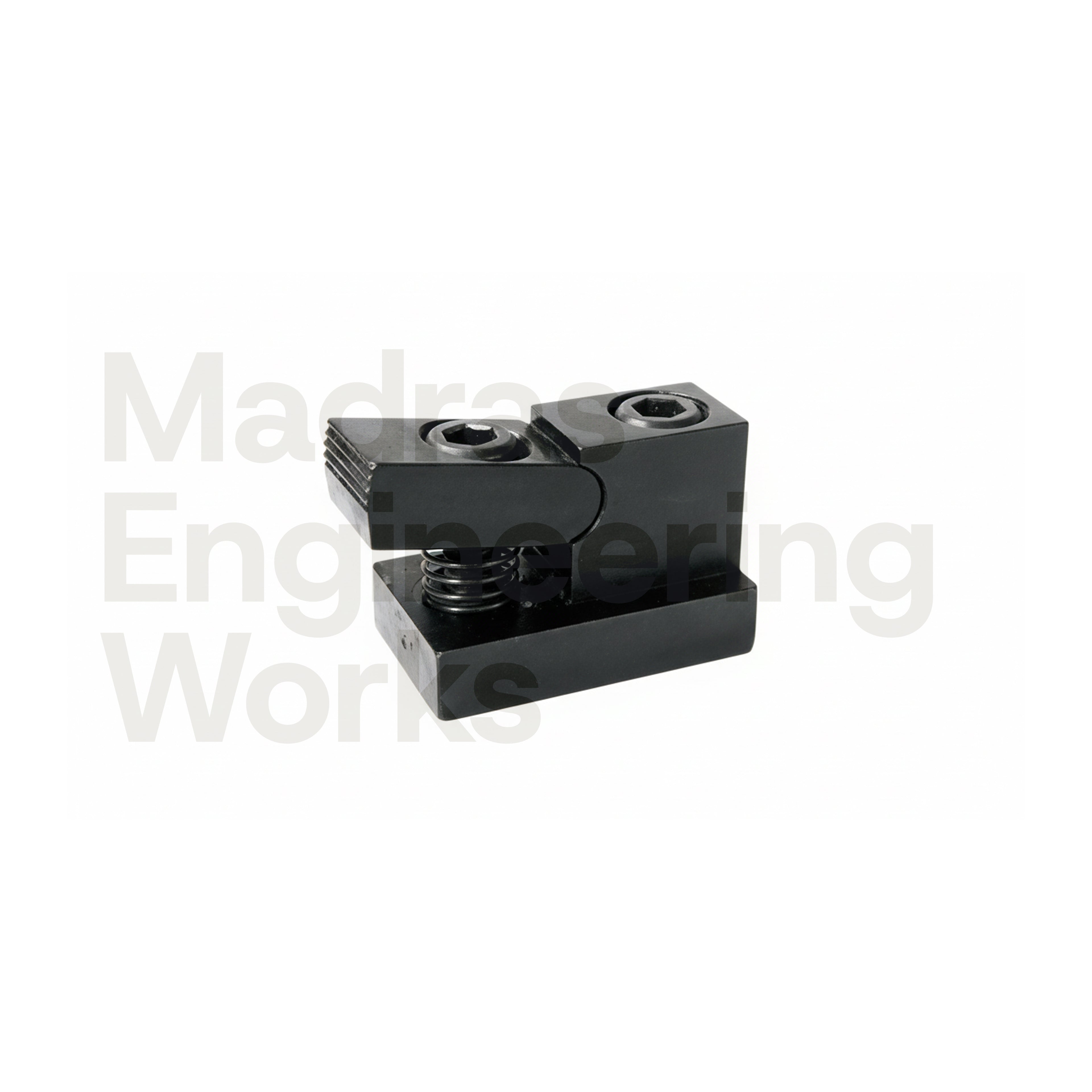
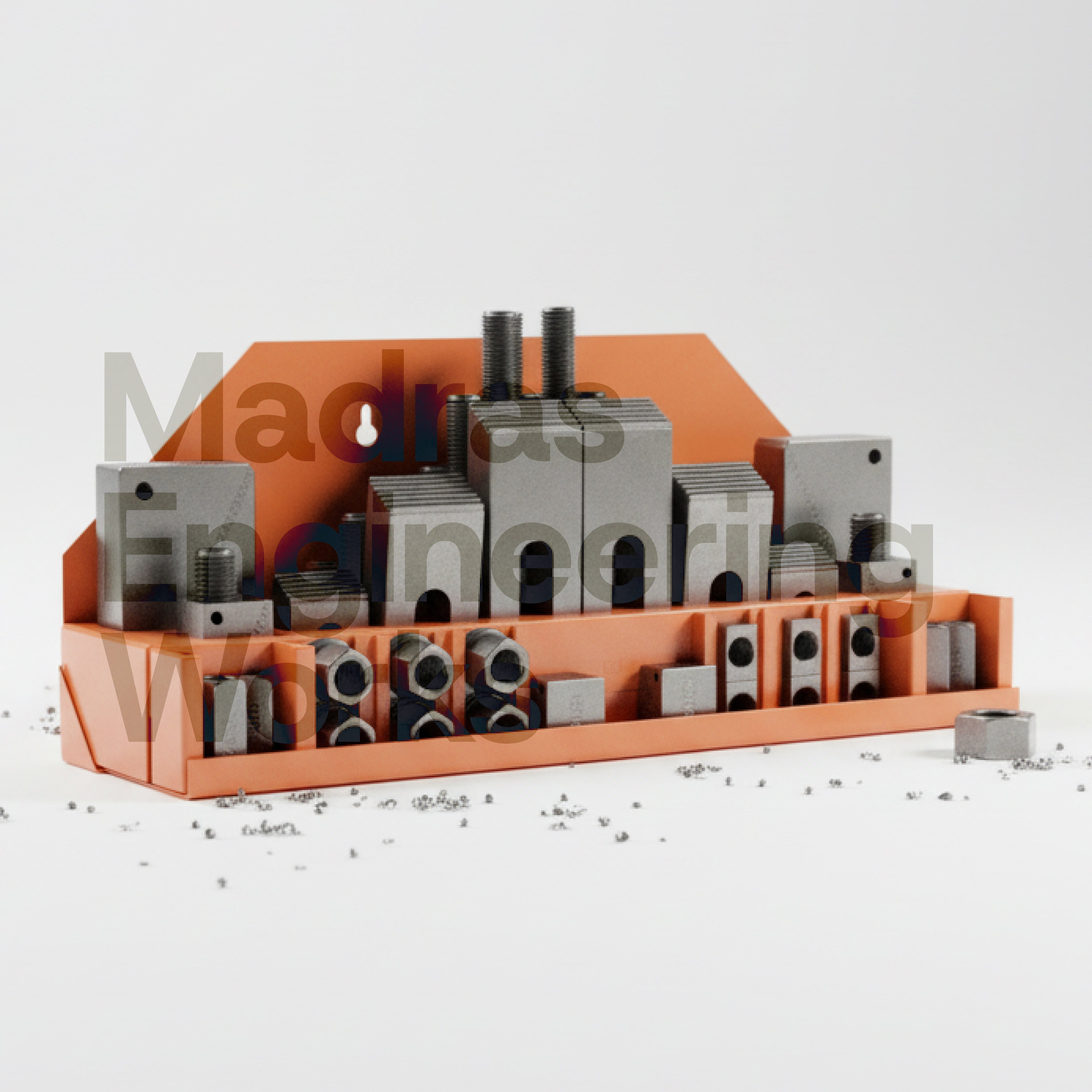
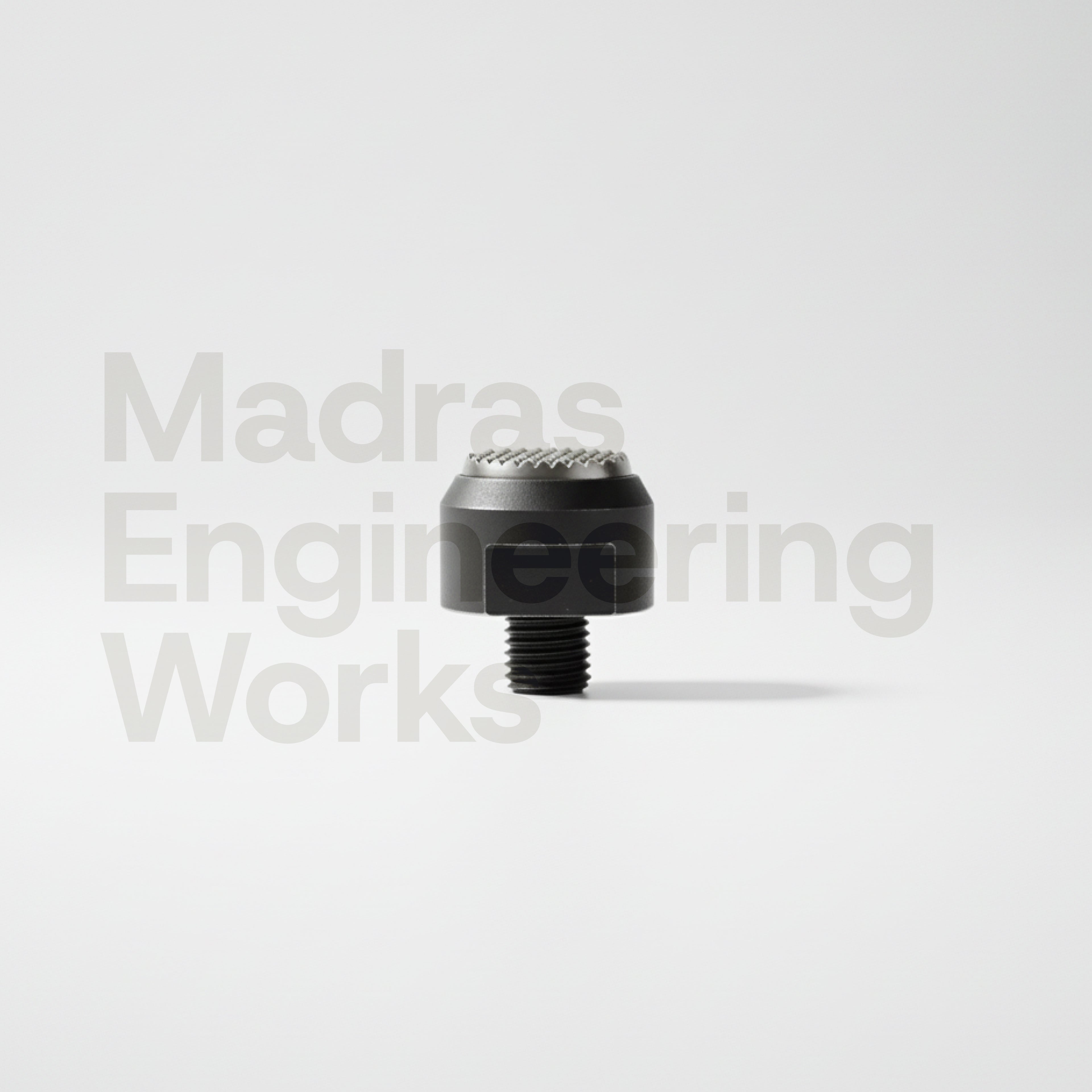
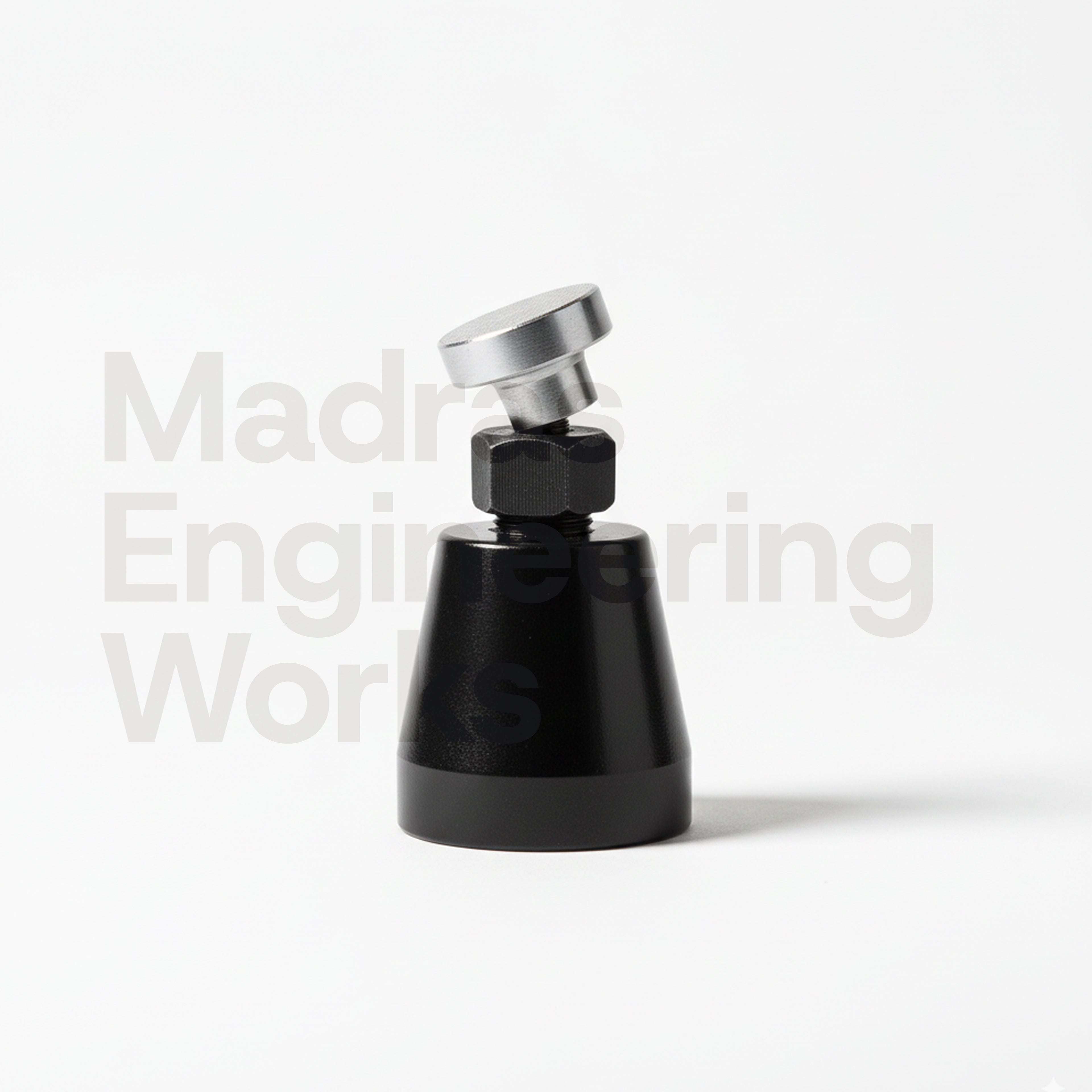
If you’re unsure which T-bolts, strap clamps, or step blocks suit your application, our team at Madras Engineering Works can guide you based on real shop conditions—not guesswork.


0 comments