

Milling Fixture Clamps India: Complete Selection Guide for VMC & Tool Rooms
Most Indian tool rooms treat strap clamps as the default answer to every workholding problem. That works — until it doesn't. There are four specific machining situations where a strap clamp is the wrong choice, and using one either blocks your tool path, distorts your workpiece, or applies force from the wrong angle. This guide covers the five milling fixture clamps built for those situations — slot clamps, lever clamps, pinch clamps, thick plate clamps, and stepless height clamps — with verified specs, real failure modes, and guidance on which to use when.
When Strap Clamps Are Not Enough: The Four Scenarios
- Top face must be fully machined in one setup — the strap clamp blocks the tool path. A side-clamping solution is the only answer.
- Thin or delicate workpiece that distorts under top-down pressure — the strap clamp bends the part before the first cut. A pinch clamp applies controlled lateral force without bending.
- Large, thick plate or die component that outgrows strap clamp capacity — the thick plate clamp's wide jaw covers the full contact area a heavy workpiece needs.
- Repeat-batch production where each setup wastes 30–60 seconds of screw tightening — the lever clamp closes in under two seconds.
Slot Clamp (CES-SC-10): Single-Component Side Clamping for Thin Plates
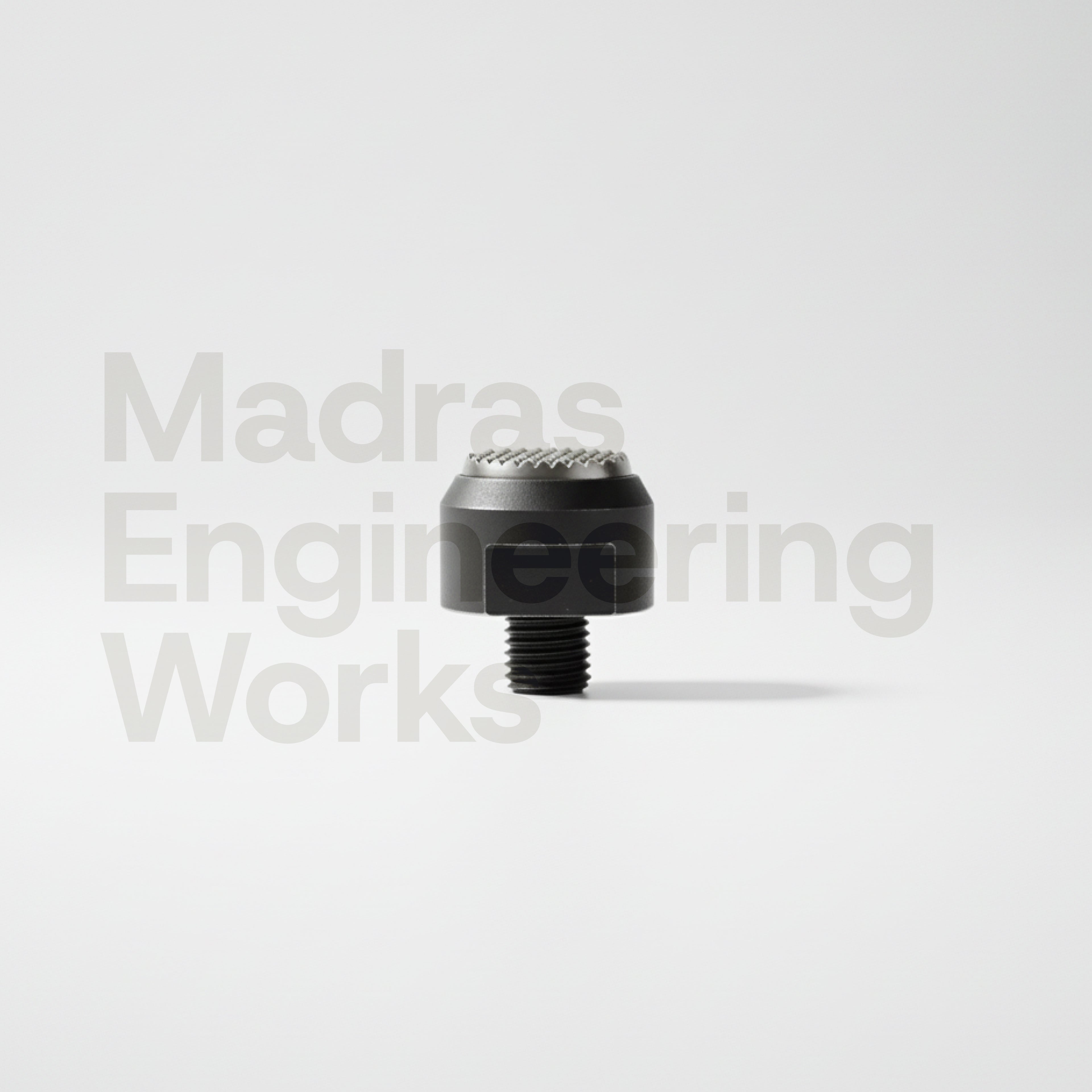
The slot clamp drops directly into the machine table T-slot — no separate T-bolt required. A clamping screw pushes the heat-treated jaw against the workpiece side, generating lateral clamping force directly from the slot engagement. One part replaces a full four-component strap clamp stack.
- SKU: CES-SC-10
- Jaw: Heat treated steel, blackened
- T-slot compatibility: 12 mm, 14 mm, 16 mm
- Minimum workpiece thickness: 3 mm
- Applications: Milling, planing, plano-milling, drilling — side holding of thin plates
Lever Clamp (CES-LC-1/10): Production Speed for Repeat-Batch VMC Work
The lever clamp is for production environments where the same component runs in batches. One handle movement engages and locks the workpiece; one movement releases it. No screws to wind in and out between cycles. The lever multiplies hand force through a pivot ratio, generating consistent clamping force from one cycle to the next with no variation due to operator torque feel.
- SKU: CES-LC-1/10
- Action: Single-handle quick-release
- Best suited for: Dedicated production VMC fixtures, automotive component machining, repeat-batch precision turning fixtures, inspection jigs
Pinch Clamp (PL-1A-12MM): When the Entire Top Face Must Stay Clear
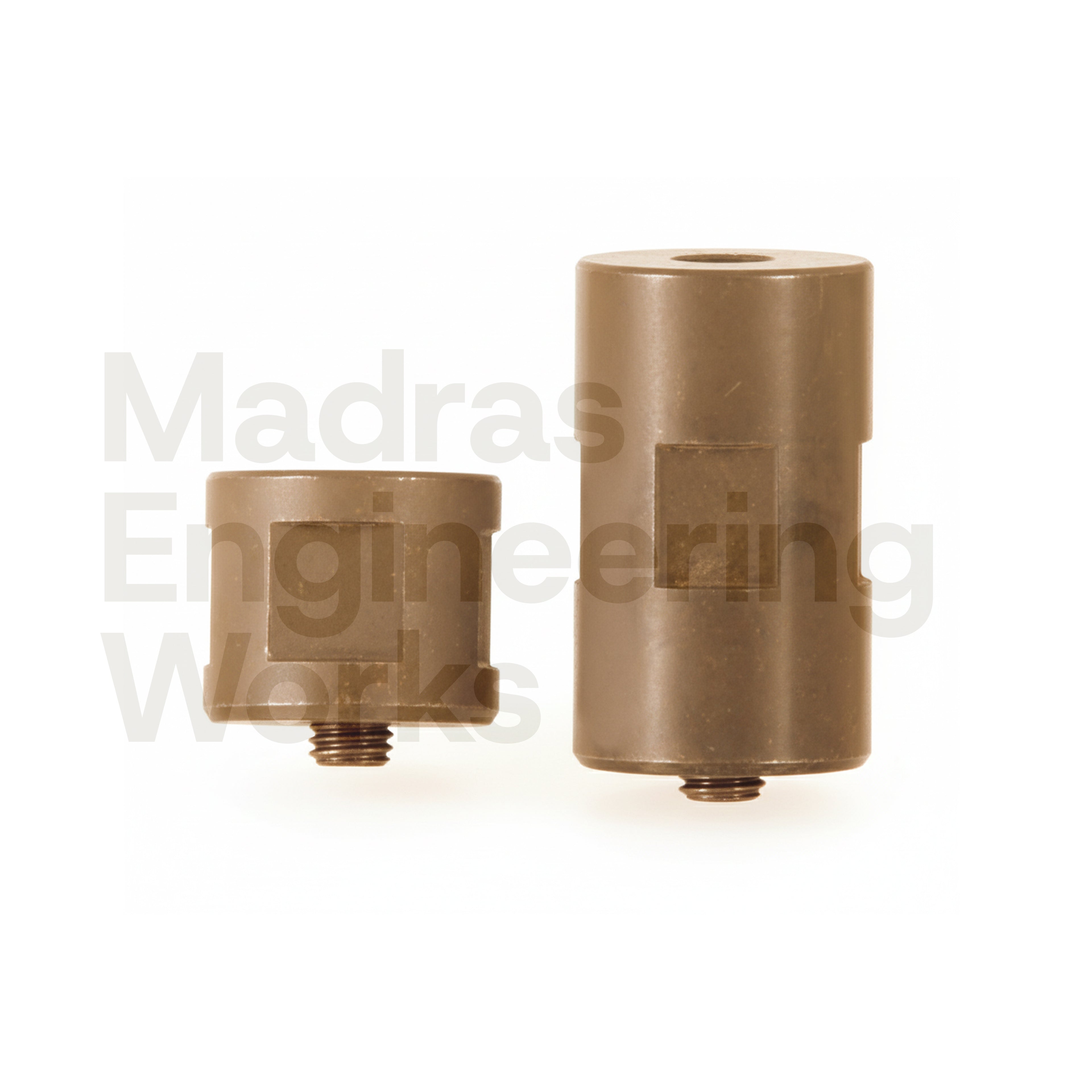
The pinch clamp grips the workpiece from its sides. Force is directed inward and slightly downward — holding the part against the machine table from the sides while keeping the entire top surface free. The tool can traverse the full face without obstruction. No re-clamping. No second setup.
The same principle applies to thin-walled or delicate components. Strap clamps apply downward force over a small contact area, which can bow thin parts before the first cut. Pinch clamping applies controlled lateral force over the full side face height, avoiding this distortion entirely.
- SKU: PL-1A-12MM
- Clamping direction: Lateral (side) with slight downward component
- Best suited for: Thin-walled components, sheet metal machining blanks, precision machined blanks, grinding fixtures, EDM setups
Not sure if a pinch clamp is right for your part geometry? WhatsApp a photo to +91 95143 73702 and we'll confirm before you order.
Thick Plate Clamp (CES-TPC-1/8): Heavy Workpieces and Die Clamping
When the workpiece is a large steel plate, a die block, or a press tool component, standard strap clamps run out of contact area. The thick plate clamp's wide jaw contacts the full thickness of a heavy plate from the side, distributing clamping force across the entire contact height. Supplied complete with screws and T-nuts.
- SKU: CES-TPC-1/8
- Jaw: Heat treated steel, blackened
- Supplied with: Screws and T-nuts of respective sizes
- Applications: Side holding of thick plates on milling, shaping, planing, plano-milling, drilling, jig boring; press tool die clamping
Stepless Height Clamp (CES-SHC-25): The Fix for the Step Block Gap Problem
Step blocks give height in fixed increments. When the workpiece height falls between two steps, most engineers improvise: a steel rule under the clamp, a thick washer, folded paper. The clamp sits at an angle. The clamping force is off-axis. This is a common, silent cause of workpiece movement mid-cut.
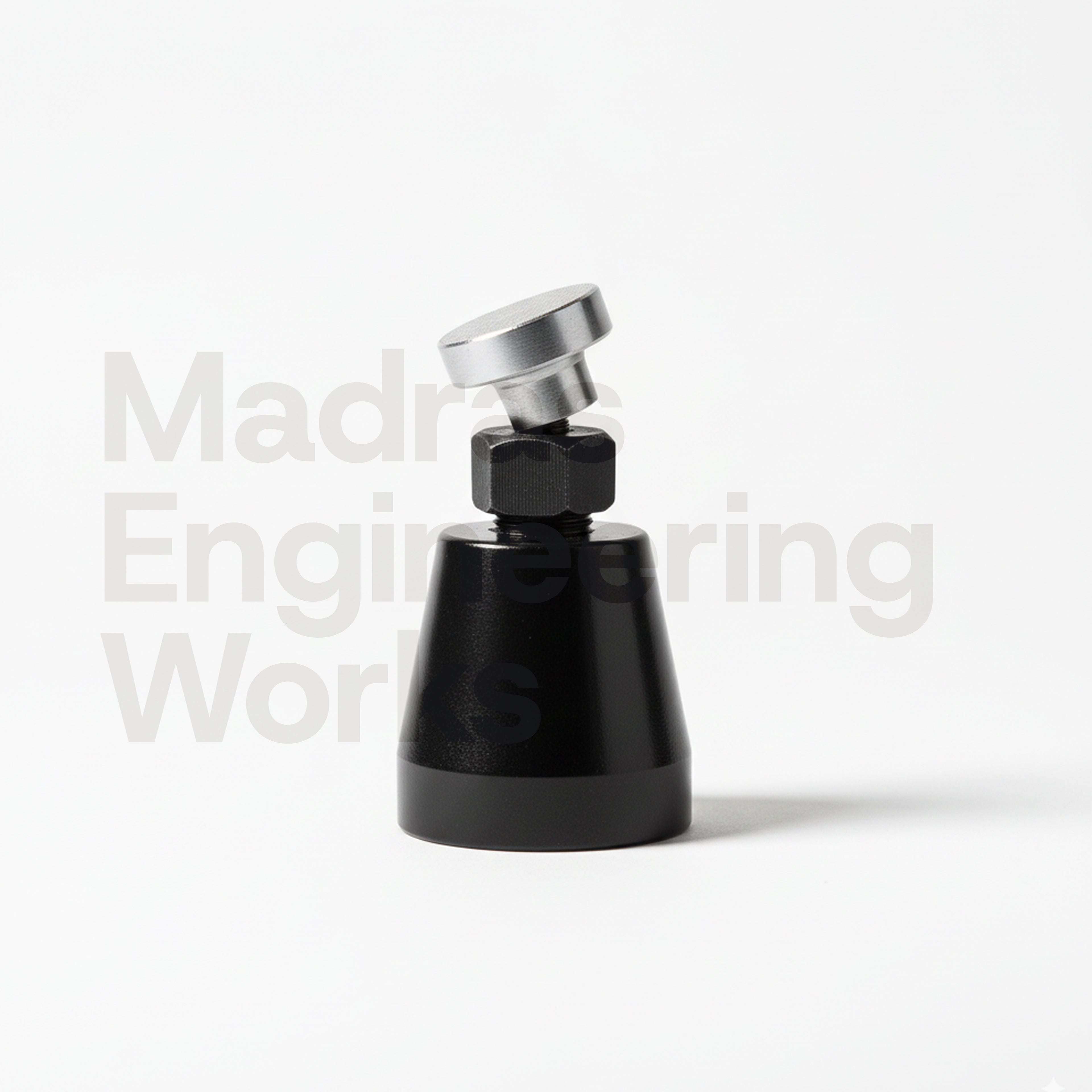
The Stepless Height Clamp adjusts continuously within its range — no fixed increments, no gaps. Set it to exactly the height your workpiece needs, tighten, and the clamp sits level with force applied perpendicular to the workpiece surface.
Safety requirement: Use a minimum of two Stepless Height Clamps per workpiece. With only one clamp, the workpiece can rotate about that single contact point under lateral cutting force.
- SKU: CES-SHC-25
- Adjustment: Continuous (stepless) — no fixed increments
- Material: Heat treated and blackened
- Supplied with: T-nut 14 × M12
- Minimum clamping points per workpiece: 2
Quick Selection Reference
| Situation | Right Clamp | SKU |
|---|---|---|
| Top face must stay fully accessible | Pinch Clamp | PL-1A-12MM |
| Thin plate, side hold, fast setup | Slot Clamp | CES-SC-10 |
| Production batch, repeat same part | Lever Clamp | CES-LC-1/10 |
| Large, thick plate or die block | Thick Plate Clamp | CES-TPC-1/8 |
| Workpiece height between step block increments | Stepless Height Clamp | CES-SHC-25 |
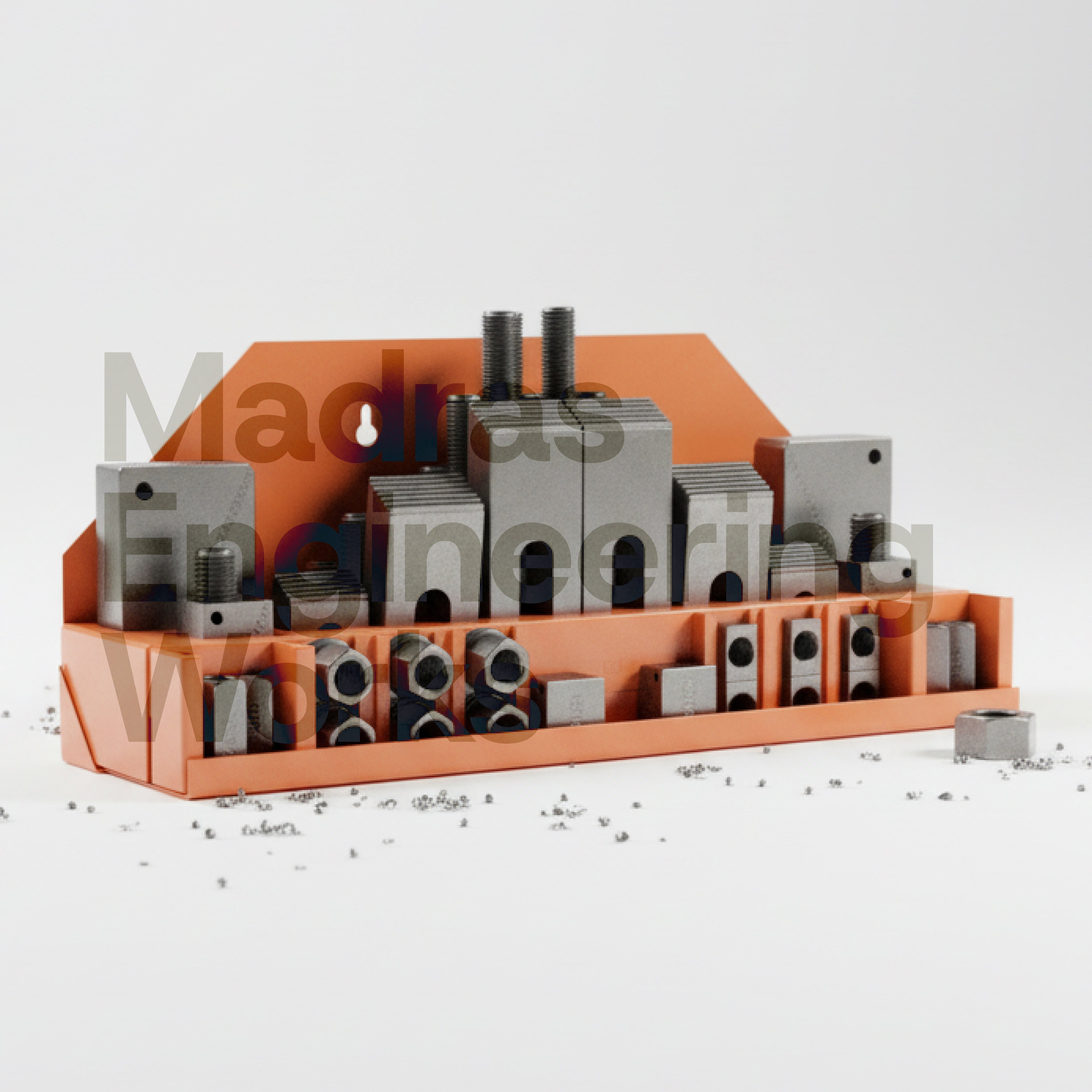
For T-slot sizes across all major VMC brands, see the T-slot size guide. Browse MEW's complete clamping kits — all matched by machine type. For the complete workholding system, see the Workholding Clamps for CNC India guide and the Downhold Milling Clamp guide.
Frequently Asked Questions
What is a milling fixture clamp used for?
A milling fixture clamp holds the workpiece securely on the machine table during cutting operations. Different clamp types solve different problems: slot and pinch clamps hold from the side when the top face must remain clear; lever clamps speed up production batch setups; thick plate clamps handle heavy workpieces; stepless height clamps solve the gap between fixed step block increments.
When should I use a slot clamp instead of a strap clamp?
Use a slot clamp when clamping thin plates (3 mm and above) from the side, when you need a faster setup than a full strap clamp stack, or when top clearance is restricted. The slot clamp drops directly into the T-slot without a separate T-bolt — one component instead of four.
What is the difference between a pinch clamp and a strap clamp?
A strap clamp applies downward (top) force over the workpiece surface. A pinch clamp applies lateral (side) force from the workpiece sides, leaving the entire top face free. Choose a pinch clamp when the top surface must be machined in a single setup, or when top-down clamping force would distort a thin or delicate workpiece.
Why does the stepless height clamp need two clamping points?
With a single clamping point, the workpiece can rotate about that contact point under lateral cutting force. Two clamps positioned apart create a stable pair that resists both translational and rotational movement. Always use a minimum of two Stepless Height Clamps (CES-SHC-25) per workpiece.
What T-slot sizes do these milling fixture clamps fit?
The Slot Clamp (CES-SC-10) fits 12 mm, 14 mm, and 16 mm T-slots — the three standard widths on BFW, ACE, Jyoti, KENT, Lokesh, and Haas VMC and HMC machine tables. For T-slot size queries, WhatsApp a photo of your machine table to +91 95143 73702.
Written by Husain, Founder of Madras Engineering Works — ISO 9001:2015 certified industrial supplier in Chennai. WhatsApp +91 95143 73702 or email enquiry@madrasengg.com.

0 comments