

In CNC machining, accuracy doesn't start with the cutter — it starts with how firmly the workpiece is held. Whether you're machining auto components in Chennai, die blocks in Coimbatore, or custom parts in a small tool room in Pune, the clamping system you choose decides everything:
Precision
Surface finish
Cycle time
Tool life
Operator safety
In this guide, we explore every major type of CNC clamp, how they work, and which industries in India rely on them.
Before we start, you can explore MEW's complete clamping collection here:
Take a look at all the available clamps with us
What Is a CNC Clamp?
A CNC clamp is a device that secures a workpiece to a machine bed or fixture, preventing vibration or movement during machining. Without solid workholding, even the best CNC machine can produce scrap.
In Indian workshops where machines run long hours and setups change quickly, clamps play a critical role in both accuracy and safety.
To go in-depth, you can read this article: What Are Clamping Elements in CNC?
1. Mechanical Clamps (Most Popular in India)
Strap Clamp
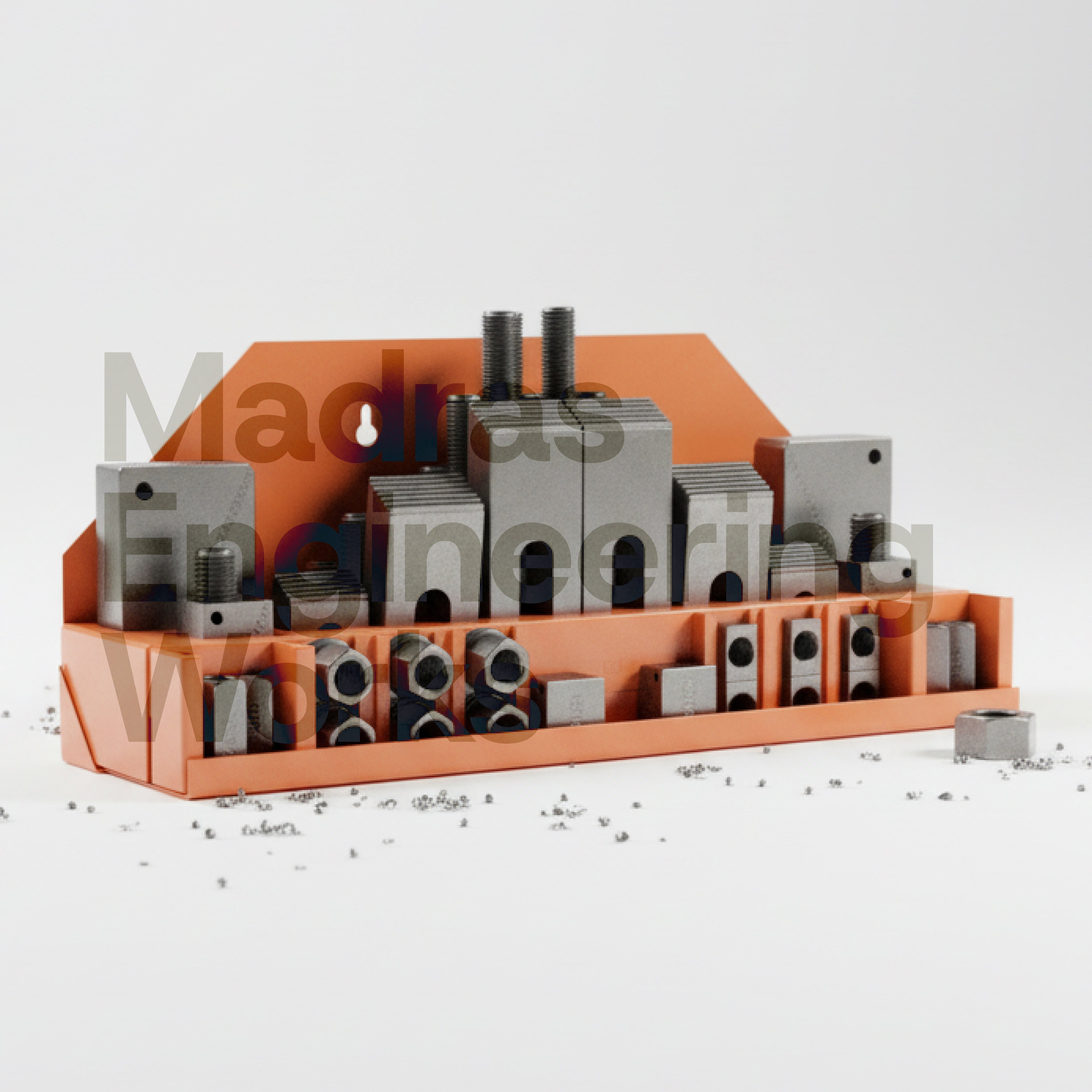
Step Clamp / Step Block Set
T-Slot Clamp
These are traditional, manual clamps used in nearly every Indian CNC shop.
Common Types:
Strap / Flat Strap Clamps – For flat jobs
Step Clamps + Step Blocks – For height adjustment
Toe Clamps – For low-profile holding
T-slot Clamps – Most common in milling setups
Cam Clamps – Quick-action mechanical design
Best For:
Job shops
Prototype work
Mixed-variety machining
Budget-conscious operations
Why India Uses Them:
Replaceable
Affordable
Easy to adjust
Suitable for any machine table
2. Hydraulic Clamps (For High-Volume Production)
Hydraulic clamps use oil pressure to apply strong, consistent clamping force.
Best For:
Automotive suppliers
Aerospace machining
VMC/HMC mass production
Fixtures requiring quick changeover
Advantages:
Extremely consistent force
Faster cycle times
Great for automation
Limitations:
Higher initial cost
Requires maintenance & clean oil
3. Pneumatic Clamps (Fastest for Automation)
These clamps use compressed air to apply clamping force.
Best For:
Conveyor-based machining
High-throughput factories
Light-to-medium force applications
Advantages:
Very fast
Operator-friendly
Easy to integrate in automated lines
Limitations:
Limited clamping force
Needs compressed air line
Requires safety interlocks
4. Magnetic Clamps
Best for holding ferrous materials (mild steel, cast iron).
Use Cases in India:
Sheet metal machining
Laser cutting
Grinding operations
Quick setups
Pros:
No obstruction on top
Great for thin parts
Fast to set up
Cons:
Only works on magnetic materials
Limited holding force compared to mechanical clamps
5. Vacuum Clamps
Popular in:
Plastics
Aluminium sheets
Wood
Electronics
Signage industry
Pros:
Gentle on delicate parts
Holds flat, thin materials
No clamp marks
Cons:
Not suitable for heavy roughing
Needs pump & sealing surface
6. Specialized Clamps (For Complex Geometry)
These include:
Block / Combination Clamps – irregular shapes
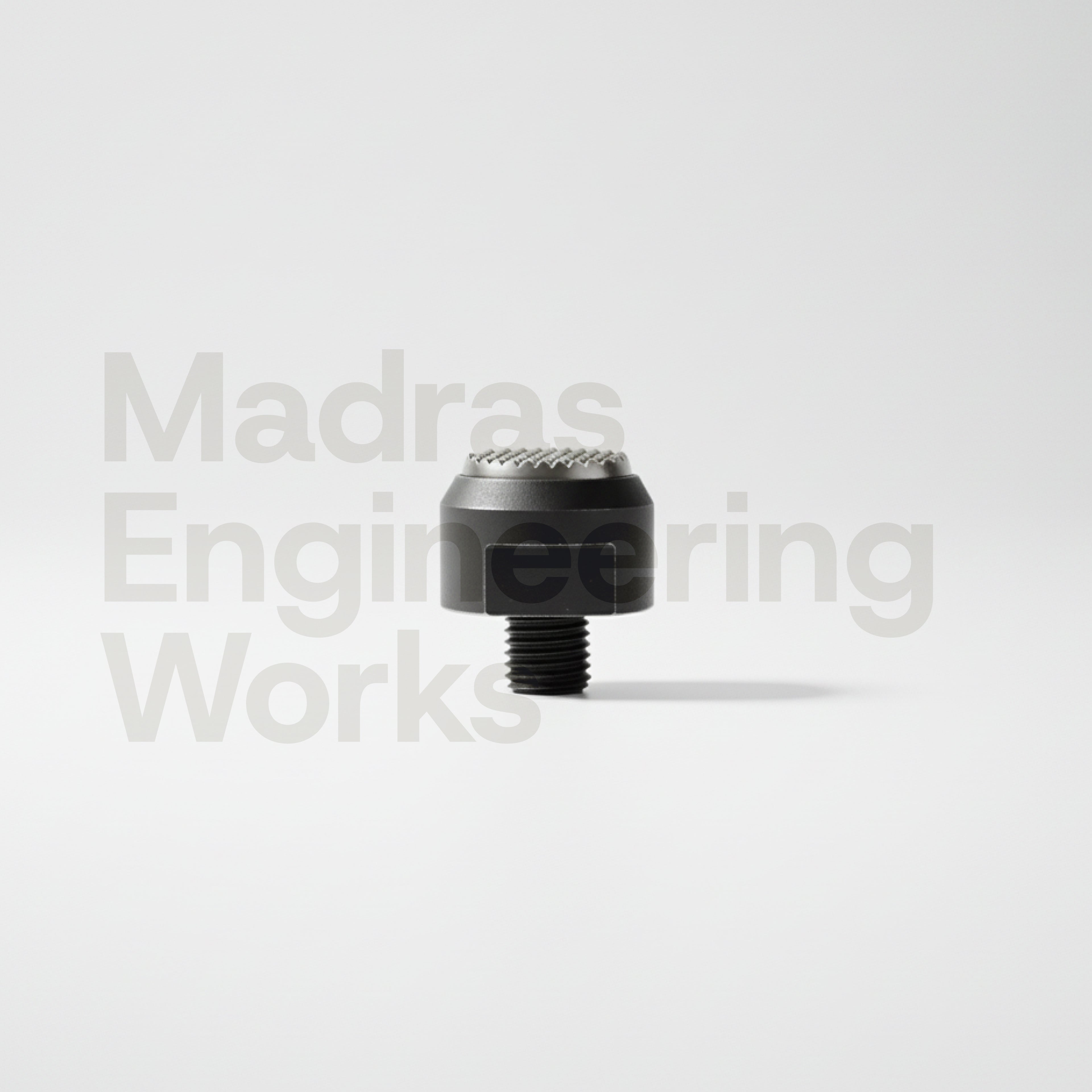
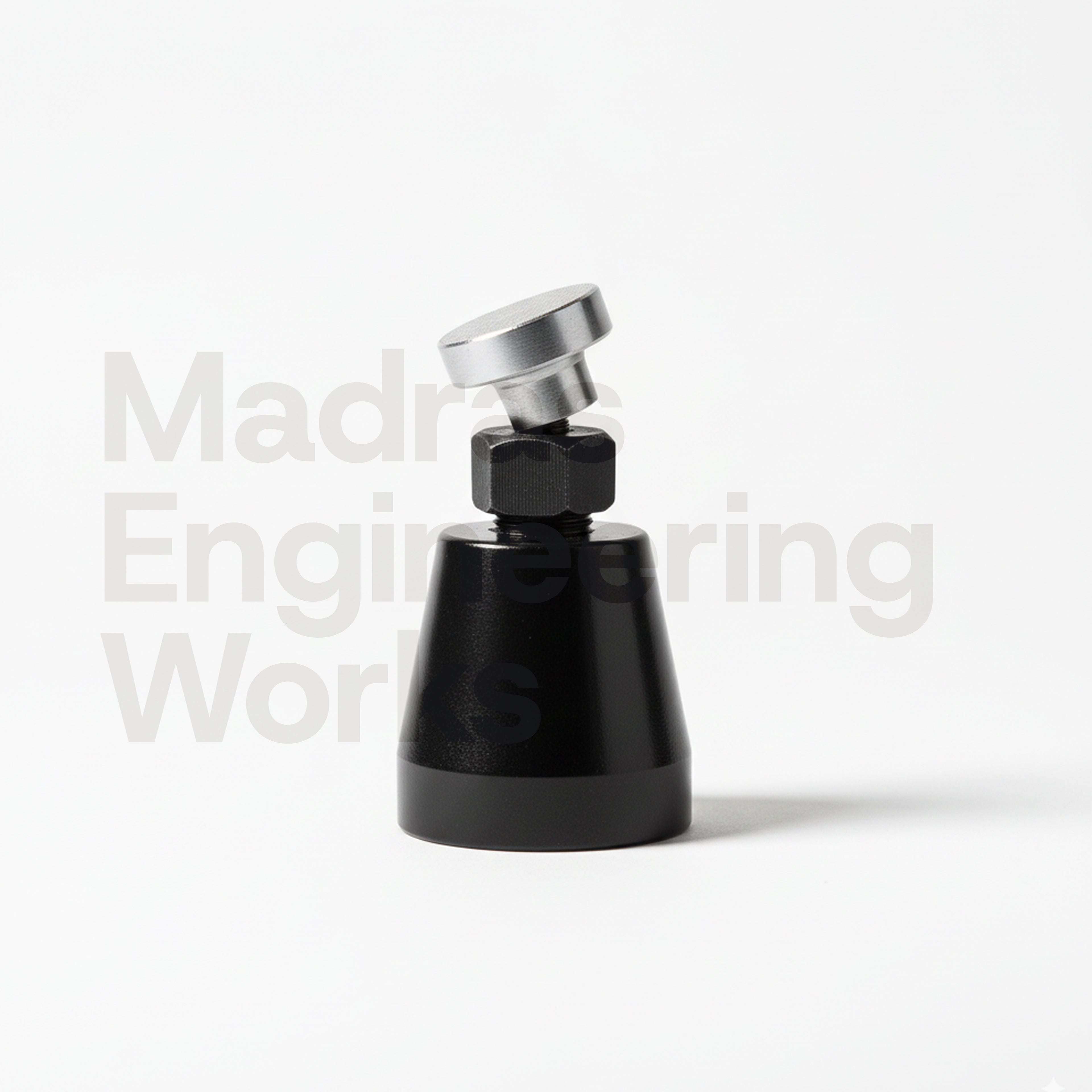
Smooth Base Clamps – non-marking
Spring Clamps / Fixture-Specific Clamps – custom jobs
Used heavily in tool rooms and die/mould shops.
How to Choose the Right CNC Clamp
Based on Material:
Ferrous → Magnetic
Non-porous → Vacuum
General machining → Mechanical
Based on Production Quantity:
High volume → Hydraulic / Pneumatic
Low/medium volume → Mechanical
Based on Geometry:
Flat → Strap Clamp Flat Strap Clamp
Tall → Step Clamp Step Block
Irregular → Block/Combination Clamps
Thin sheets → Vacuum
Based on Budget:
Manual clamps offer 80% capability at 20% cost for most Indian workshops.
Conclusion
From strap clamps to hydraulic systems, CNC clamps are the backbone of reliable machining. Choosing the right clamp keeps your part stable, your tools safe, and your accuracy consistent.
Indian workshops use a mix of mechanical, pneumatic, hydraulic, magnetic, and vacuum clamps depending on budget, geometry, and production goals.
Explore high-quality clamping elements here:
Clamping Elements


0 comments